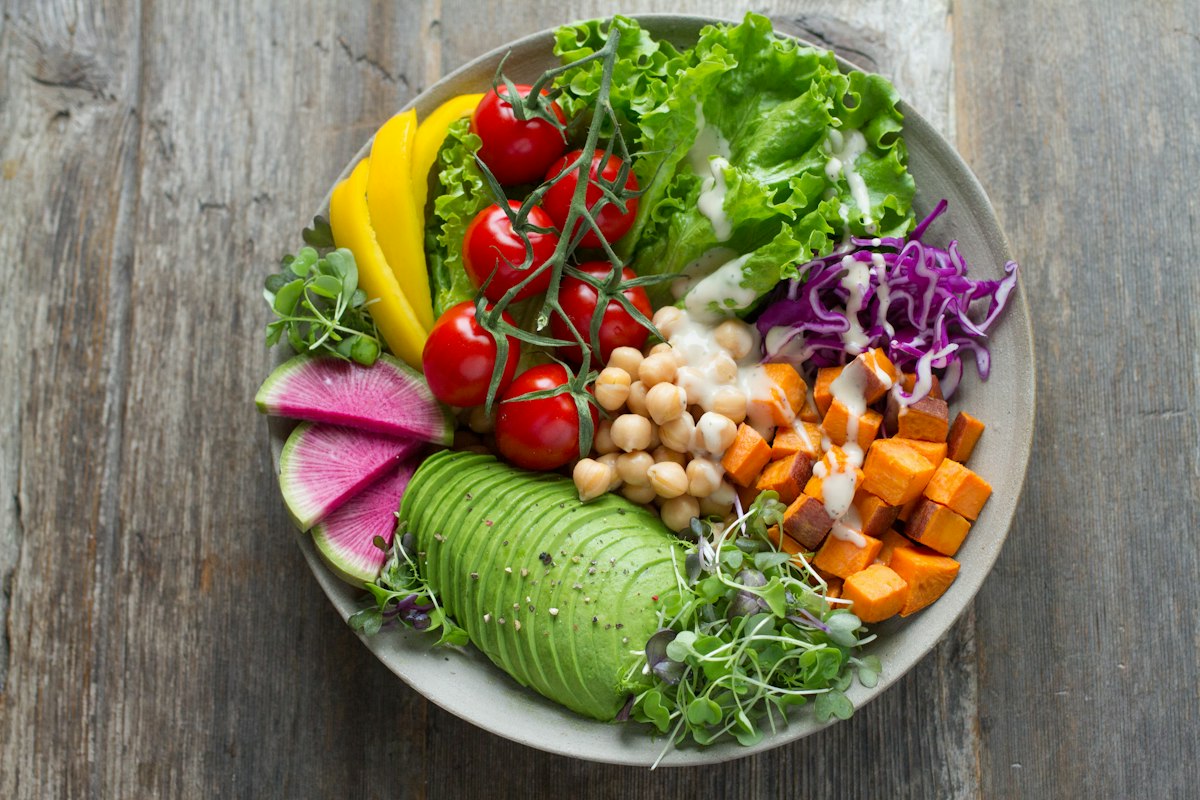
Dietary fibre is one of those nutrients that most people know they should be eating more of, and most people consistently fall short of. The European Food Safety Authority (EFSA) recommends that adults consume at least 25 grams of dietary fibre per day for normal bowel function. Yet surveys across the EU consistently show that average intakes hover around 15–18 grams. That gap has real consequences for digestive health, gut microbiome diversity, and long-term wellbeing. The good news is that closing it is entirely achievable with the right approach. Here is how.
Start With the Best Food Sources
The richest dietary sources of fibre are whole plant foods. Not all plant foods are equal in their fibre content, so it helps to know which ones deliver the most per serving. The best sources include:
- Legumes, lentils, chickpeas, black beans, and kidney beans are among the most fibre-dense foods available, providing 7–9 grams per 100g cooked
- Oats, particularly rich in beta-glucan, a soluble fibre linked to normal cholesterol levels, providing around 4g of fibre per 40g serving
- Vegetables, broccoli, Brussels sprouts, artichoke, and sweet potato are standout performers, each providing 3–5g per 100g
- Fruit, particularly raspberries, pears, apples, and avocados, which provide both soluble and insoluble fibre along with vitamins and minerals
- Seeds, flaxseed, chia seeds, and hemp seeds are extraordinarily fibre-dense, with chia providing around 34g of fibre per 100g
- Wholegrains, wholemeal bread, brown rice, and wholegrain pasta provide significantly more fibre than their refined counterparts

Add Fibre Gradually to Avoid Bloating
One of the most common mistakes people make when increasing their fibre intake is doing it too quickly. The gut microbiome needs time to adapt to higher fibre loads. When large amounts of fermentable fibre are introduced rapidly, the bacteria that ferment them produce gas as a byproduct, which manifests as bloating, flatulence, and discomfort. This is entirely normal and temporary, but it discourages people from continuing.
The solution is a gradual increase over two to four weeks. Start by adding one additional serving of a high-fibre food per day, and increase every week until you reach your target. Drink plenty of water throughout this process, soluble fibre absorbs water to form its characteristic gel, and without adequate hydration, it can actually worsen constipation rather than relieve it.
"Fibre intake is not a binary, you do not need to overhaul your entire diet overnight. Small, consistent additions to existing meals are the most sustainable path to hitting 25 grams per day."
Daily Fibre Targets and Sources
Practical Meal-Building Strategies
Getting to 25 grams per day is easier when you approach it meal by meal rather than as a daily total to hit all at once. A bowl of porridge made with oats and topped with berries can deliver 6–8g at breakfast. A large salad with chickpeas, avocado, and mixed leaves at lunch can add another 8–10g. An evening meal centred on lentils or beans with roasted vegetables can provide 10–12g. With this kind of structure, the daily target is comfortably achievable through food alone, without any supplementation.
That said, life is not always structured. Travel, busy schedules, and the realities of eating out all create gaps between intention and reality. This is where supplemental fibre like Halden Life Fiber Balance provides genuine practical value, not as a replacement for high-fibre foods, but as a reliable daily safety net that helps bridge the gap between actual and target intake.
The Role of Supplemental Fibre
Psyllium husk, the primary fibre ingredient in Halden Life Fiber Balance, is one of the most evidence-supported supplemental fibre sources available. Unlike whole-food fibre, it provides a concentrated and consistent amount of soluble fibre in a small daily dose, making it easy to incorporate into any routine. Combined with chia seed powder and inulin from Jerusalem artichoke root, Halden Life Fiber Balance supports both the mechanical aspects of bowel function and the prebiotic nourishment of the gut microbiome, two dimensions that whole-food fibre alone may not address consistently for every individual.
Bridge the Fibre Gap Daily
Halden Life Fiber Balance provides psyllium husk, chia seed powder, inulin, and ginger root in one convenient daily dose.
Discover Fiber Balance